

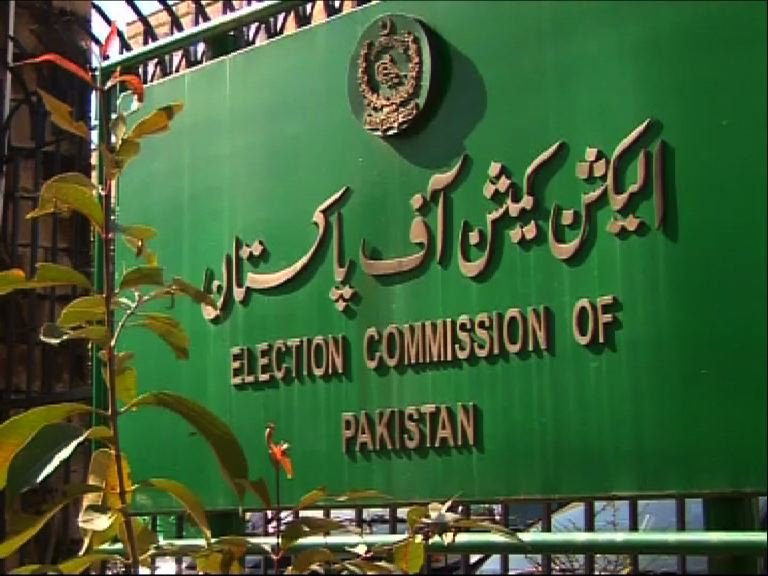

The Election Commission of Pakistan (ECP) has firmly dismissed allegations of bias made by Pakistan Tehreek-e-Insaf (PTI) Chairman Barrister Gohar Ali Khan, calling his claims baseless and misleading. The PTI leader had accused the commission of discriminatory behavior, particularly in connection with the de-notification of three party lawmakers.
In response, an ECP spokesperson clarified that Senator Ejaz Chaudhry and Members of the National Assembly (MNAs) Ahmad Chattha and Ahmad Khan Bhachar were convicted by an anti-terrorism court and that those convictions remain legally valid. The spokesperson emphasized that no court has nullified or overturned the verdicts against these individuals, and therefore the ECP is acting in accordance with constitutional provisions.
Addressing the case of MNA Abdul Latif Chitrali, the spokesperson explained that his situation is distinct. While Chitrali did not directly appeal his conviction, his co-accused did approach the Islamabad High Court, which subsequently set aside the verdict against them. As Chitrali was not a party to that appeal, the ECP issued a notice requesting him to provide clarity on whether he is entitled to the same relief granted to his co-accused.
Earlier, Barrister Gohar took to social media to express his dissatisfaction with the commission’s decisions. In his statement, he criticized the ECP for what he described as partiality and accused the institution of undermining democratic principles. He pointed to the recent de-notifications of Ahmad Chattha and Ahmad Khan Bhachar under Article 63(1)(h) of the Constitution as evidence of what he called targeted action against PTI members.
Gohar warned that such actions pose a threat to democratic norms and demanded an immediate end to what he views as unequal treatment of PTI lawmakers.
In its official response, the ECP maintained that all decisions and proceedings are being conducted strictly in line with the Constitution and the law. The commission reiterated that its actions are legally sound and devoid of any political influence or bias.
The controversy centers on Article 63(1)(h) of the Constitution, which relates to the disqualification of legislators following a conviction for offenses involving moral turpitude or criminal misconduct. The ECP’s interpretation of this provision, in light of the standing convictions, was the basis for the disqualification of the PTI lawmakers in question.
This latest dispute highlights the continuing tension between PTI and the country’s electoral authority, as well as broader concerns over judicial processes, political accountability, and institutional impartiality. As the political climate remains tense, the issue underscores the importance of transparent legal procedures and consistent application of constitutional rules for all parties involved.
