

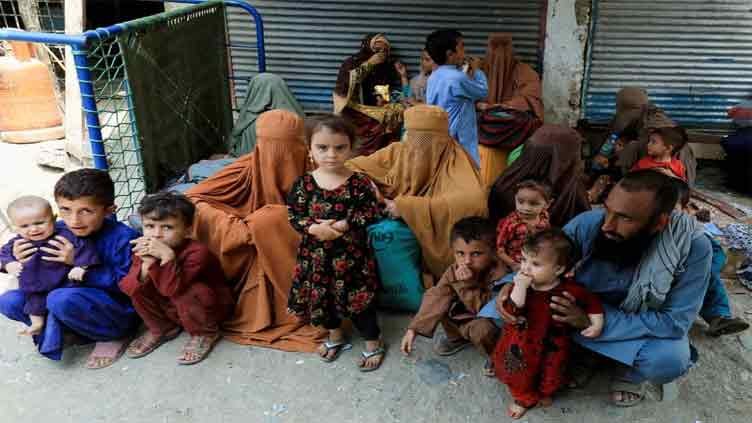

Afghan Refugees
Chancellor Olaf Scholz has announced a significant policy shift for Germany, reinstating deportations for criminals from Afghanistan and Syria following a tragic knife attack in Mannheim.
The attack, which resulted in the death of a police officer and injuries to four others, has sparked intense national debate on security and migration issues, especially in the lead-up to the European elections.
The assailant, a 25-year-old Afghan immigrant, has become the focal point of this debate.
The incident, widely covered and shared online, involved the attacker fatally stabbing a 29-year-old police officer while attempting to intervene in a violent situation.
The attacker, who had arrived in Germany as an asylum seeker in 2014, was condemned by Chancellor Scholz as committing an act of “terror” and reflecting radical Islamist ideology.
In response to the attack, Chancellor Scholz addressed parliament with a firm stance on deportations. He stated, “It outrages me when someone who has sought protection here commits the most serious crimes.
Such criminals should be deported, even if they come from Syria and Afghanistan.” His declaration was met with applause from lawmakers, underlining the pressing need to address security concerns within the country.
The decision to resume deportations comes after a period during which Germany refrained from sending individuals back to Afghanistan and Syria due to the lack of diplomatic relations with the Taliban and the unstable security situation in Syria.
However, Scholz revealed that his government is exploring alternative options for deporting convicted criminals to neighboring countries of Afghanistan and is also considering resuming deportations to Syria.
Scholz emphasized that Germany’s security interests must take precedence over the interests of those who have committed serious crimes. He pledged to strengthen deportation policies, particularly for individuals involved in terrorism.
This tough stance on migration and security has been echoed by opposition leader Friedrich Merz of the Christian Democrats, who stated, “People expect us to act. They expect decisions.”
However, the proposal has faced scrutiny from other quarters, including Britta Hasselmann, leader of the parliamentary Greens.
Hasselmann raised concerns about the practicality of negotiating deportation agreements with the Taliban or Afghanistan’s neighboring countries, questioning whether such arrangements could be effectively implemented.
As migration becomes a central issue in the European election campaign, with far-right populists expected to gain ground, Scholz’s policy shift marks a decisive moment in Germany’s approach to handling criminal refugees and ensuring national security.
