

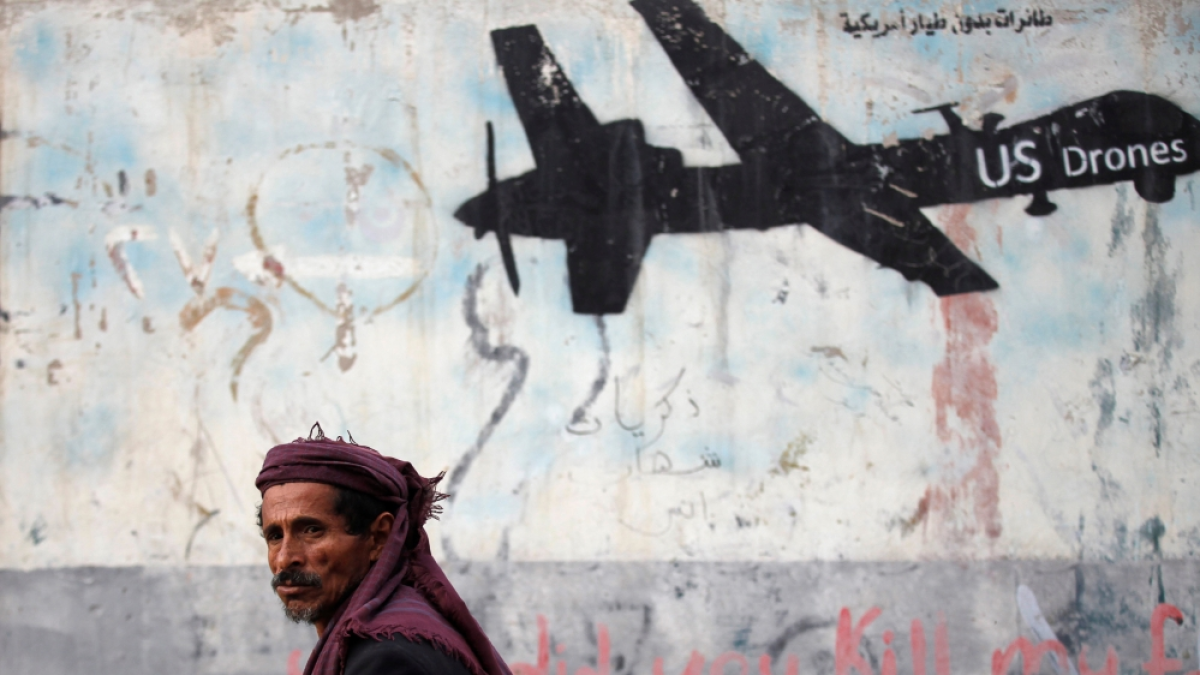

US Reaper Drones
Houthi rebels in Yemen have downed seven US Reaper drones in less than six weeks, according to confirmation from US defense officials. This significant loss, amounting to more than $200 million in damages, has raised alarms within the US military, marking one of the most expensive setbacks in the ongoing confrontation with the Iran-backed Houthi group.
Each Reaper drone, valued at approximately $30 million, was involved in surveillance and strike missions over Yemeni territory. Three of the drones were shot down in just the past week, underscoring the Houthis’ improving targeting capabilities.
Some of the drones crashed into the sea, while others landed on Yemeni soil, intensifying concerns over the growing efficiency of the group’s missile and drone operations.
The US has been engaged in daily airstrikes since March 15, under an expanded directive from President Donald Trump. The aim is to curb the Houthi missile and drone threats that jeopardize maritime trade in the Red Sea and Gulf of Aden.
According to US Central Command, over 800 Houthi targets have been successfully hit, including weapons depots, command centers, and missile launch sites. Despite these air operations, however, the Houthis have continued their missile and drone strikes, targeting both military assets and commercial vessels.
Notably, US Navy ships have remained unscathed, but the persistent threats have prompted the US to enhance its naval presence, deploying two aircraft carrier groups: the USS Harry S. Truman and the USS Carl Vinson.
US lawmakers have expressed concerns about the potential for civilian casualties in the conflict, particularly after a recent strike at the Ras Isa fuel terminal that may have killed more than 70 people. In a letter to Defense Secretary Pete Hegseth, senators have called for greater accountability and stronger measures to minimize civilian harm in future operations.
The Reaper drones, produced by General Atomics, are essential for US military operations, typically flying at altitudes above 40,000 feet to conduct surveillance and targeted strikes.
Officials are currently investigating the losses, while reiterating Washington’s commitment to safeguarding regional interests and ensuring the security of international shipping routes.
