

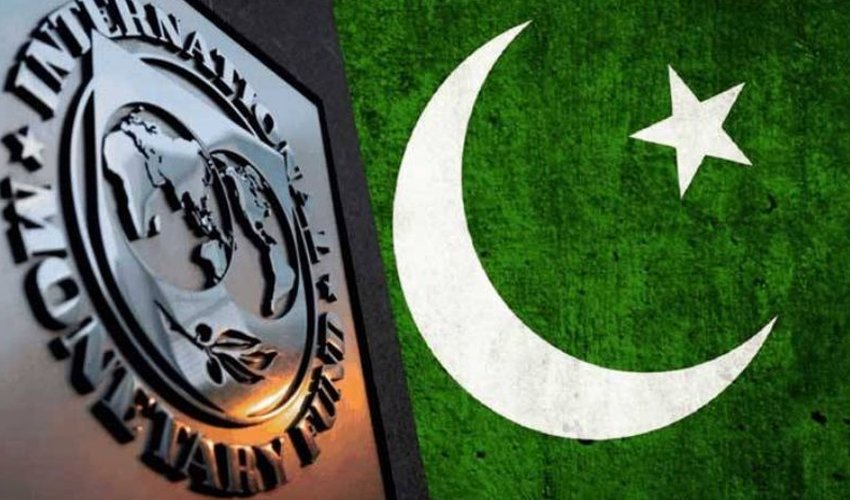

The International Monetary Fund (IMF) has approved the first review of Pakistan’s $7 billion Extended Fund Facility (EFF), releasing an immediate $1 billion tranche. This brings total disbursements under the arrangement to approximately $2.1 billion. Additionally, the IMF Executive Board has granted Pakistan access to about $1.3 billion under the Resilience and Sustainability Facility (RSF), aimed at enhancing climate resilience and long-term economic stability.
Pakistan’s 37-month EFF, approved in September 2024, focuses on macroeconomic sustainability, structural reforms, and climate resilience. The program has led to significant progress, including a primary fiscal surplus of 2.0% of GDP in the first half of FY25, a historic low inflation rate of 0.3% in April, and an increase in gross reserves to $10.3 billion by the end of April. The State Bank of Pakistan has also reduced the policy rate by 1,100 basis points since June 2025.
The RSF will support efforts to reduce vulnerabilities to natural disasters and build economic and climate resilience. Key priorities include improving public investment processes, enhancing water resource efficiency, strengthening disaster response coordination, and improving climate-related risk disclosures.
IMF Deputy Managing Director Nigel Clarke commended Pakistan’s progress in restoring macroeconomic stability but cautioned that risks remain, particularly from global economic policy uncertainty, rising geopolitical tensions, and persistent domestic vulnerabilities. He emphasized the need for continued implementation of sound macroeconomic policies and accelerated reforms to safeguard gains and promote sustainable growth.
The IMF also highlighted the importance of fiscal consolidation, broadening the tax base, reforming state-owned enterprises, and enhancing governance to unlock Pakistan’s competitiveness and attract private investment. Additionally, addressing vulnerabilities to extreme weather events is crucial for enhancing macroeconomic stability and fiscal sustainability.
Finance Minister Muhammad Aurangzeb expressed confidence in the government’s strategy, highlighting the role of IMF support in stabilizing Pakistan’s economy and averting a potential default. The government is optimistic about maintaining economic stability and continuing its reform agenda, which includes structural changes in taxation, energy, and state-owned enterprises.
