

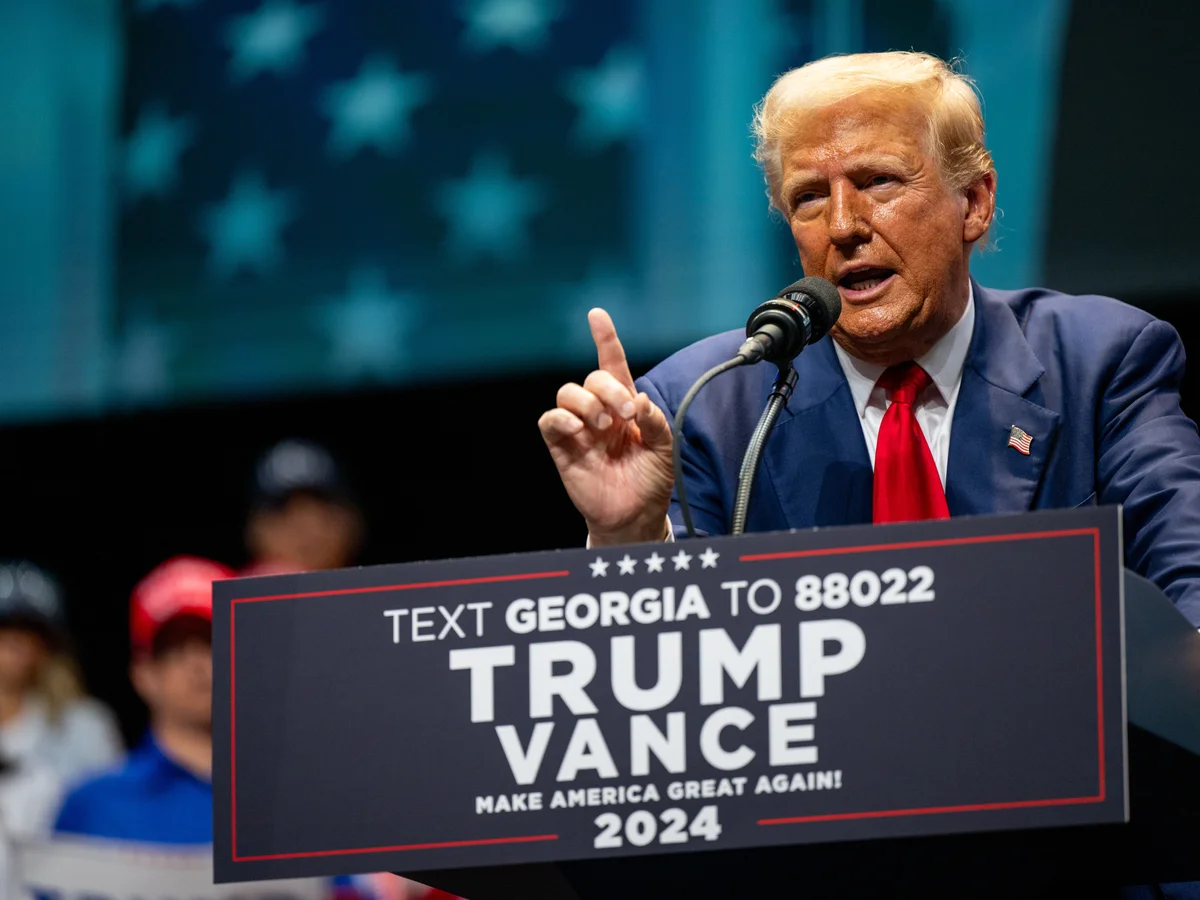

The digital landscape of political communication has undergone a significant transformation under President Donald Trump’s return to office, with a deliberate shift in design aesthetics and messaging strategies. The White House’s online presence now reflects a more assertive and populist tone, utilizing bold visuals, provocative language, and a streamlined user experience to convey strength and decisiveness.
Design as Power
Ashleigh Axios, former creative director in the Obama White House, emphasizes that design is not merely decorative but a form of communication that reflects an administration’s identity and intentions. Under the Obama administration, design choices like serif fonts and dark blues conveyed stability and legitimacy. In contrast, the Trump administration’s digital presence employs bold, uppercase typography and stark color contrasts to project aggression and control .
Typography and Visual Identity
Typography plays a crucial role in shaping the tone of political messaging. The Trump administration favors bold, sans-serif fonts like Gotham and Franklin Gothic, which convey a sense of authority and clarity. These choices reflect a departure from the more polished and minimalist styles of previous administrations, aligning with Trump’s persona as a decisive leader.
Imagery and Messaging
The White House’s website features solo portraits of President Trump, often in commanding poses, reinforcing a strongman image. The tagline “The Golden Age of America Begins Right Now” underscores a narrative of resurgence and dominance. The use of high-contrast graphics and populist language aims to resonate with a broad audience, emphasizing themes of strength and patriotism.
Ethical Considerations
Critics argue that the current administration’s digital strategies may raise ethical concerns. For instance, the display of mugshots of immigrants arrested by ICE has been described as a tactic that “weaponizes design to intimidate rather than inform.” This approach reflects a broader trend of using design to influence public perception and advance political agendas .
The rebranding of the White House’s digital presence under President Trump signifies a strategic use of design to communicate power and assertiveness. By leveraging bold typography, striking imagery, and provocative messaging, the administration aims to shape public perception and reinforce its political narrative. This evolution highlights the growing importance of design in political communication and its potential to influence public discourse.
