

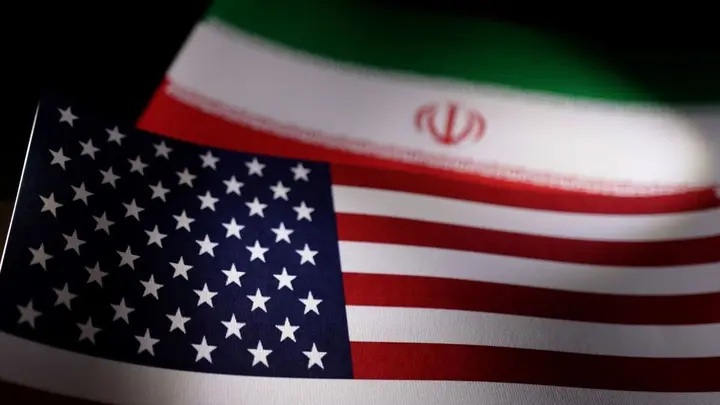

The sixth round of nuclear negotiations between Iran and the United States, originally scheduled for Sunday, has been cancelled, amid a dramatic escalation in regional hostilities.
The announcement was made by Omani Foreign Minister Badr Albusaidi, who confirmed that the meeting will not go ahead. “The only viable path to sustainable peace lies in diplomacy and dialogue,” Albusaidi said, expressing concern over deteriorating conditions in the Middle East.
Iran’s Ministry of Foreign Affairs also issued a statement declaring the talks “meaningless” under the current circumstances. A ministry spokesperson said Iran’s priority is now “resisting enemy aggression,” and described negotiating with “a nation that openly supports the aggressor” as fundamentally unproductive.
The cancellation comes in the wake of a major Israeli assault on Iranian territory. In the early hours of Friday morning, Israeli airstrikes reportedly targeted high-value sites in Iran, including military command centers and nuclear facilities. Among those killed were the head of Iran’s Islamic Revolutionary Guard Corps (IRGC), the Army Chief, and six prominent nuclear scientists, according to Iranian sources.
The strikes also caused widespread civilian casualties, with 78 Iranians killed and over 320 injured, many of them women and children, Iranian health officials said.
In retaliation, Iran launched over 200 ballistic missiles toward Israel overnight. Reports indicate that several missiles struck Tel Aviv and Jerusalem, causing destruction in urban areas. While the Israeli military claimed to have intercepted many of the missiles, footage circulating on social media appears to show multiple direct hits on residential buildings.
Israeli authorities have confirmed four deaths and more than 20 injuries as a result of the Iranian counterstrike.
The rapid military escalation has raised alarm among international observers, many of whom fear the conflict could expand further and destabilize the broader region. The breakdown of nuclear diplomacy between Tehran and Washington now adds another layer of complexity to an already volatile situation.
