

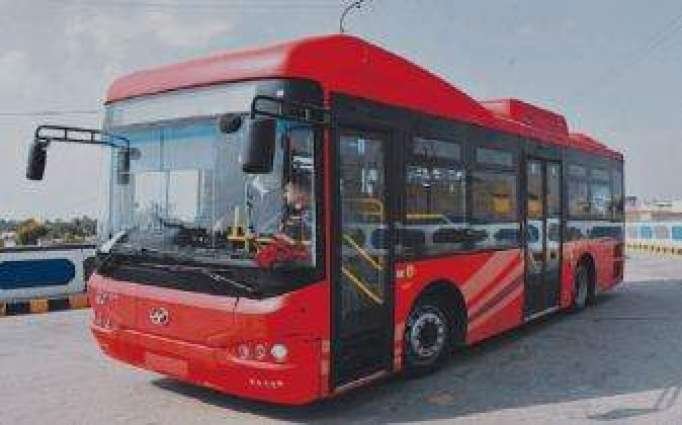

The Capital Development Authority (CDA) has announced a significant fare hike for Islamabad’s public transport system, doubling the cost of travel on metro and electric bus services. The revised fares will take effect from May 26.
According to officials, the one-way fare for both metro buses and electric feeder buses has been increased from Rs 50 to Rs 100. This 100% rise applies to all routes under CDA’s transport network, including the stop-to-stop fare structure.
Currently, Islamabad’s integrated public transport system — comprising metro and electric buses — operates on 17 major routes across the capital city. These services cater to an estimated 90,000 passengers on a daily basis, offering a relatively affordable and eco-friendly commuting option for residents, students, and office workers alike.
However, the abrupt and steep fare hike is expected to place a considerable financial burden on daily commuters, especially those who rely on public transportation for work and education. The fare adjustment has triggered public concern and criticism on social media, with many questioning the timing and justification for such a drastic increase.
CDA has not issued any detailed explanation regarding the rationale behind the fare hike, but sources suggest rising operational costs and fuel adjustments may have played a role in the decision. Despite being electric, maintenance and service expansion of the fleet reportedly continue to incur high expenses.
While the CDA aims to improve service quality and operational efficiency, public reaction indicates dissatisfaction with the absence of gradual implementation or subsidy options for low-income passengers. Civil society groups and commuter associations have urged authorities to reconsider the hike or introduce discount schemes for students, senior citizens, and regular riders.
As the new fare structure comes into effect on May 26, all eyes are on how the city administration addresses the mounting criticism and whether any revisions or relief measures will follow.
