

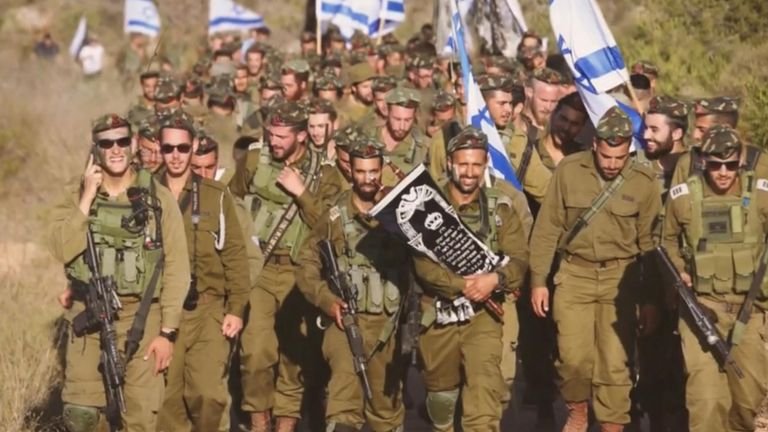

Israel’s defense minister issued a strong warning on Wednesday, stating that the country’s response to a recent Iranian missile attack will be “lethal” and “surprising.” Meanwhile, the Israeli military continues its large-scale operations in northern Gaza and a ground offensive in Lebanon targeting Hezbollah militants.
On the diplomatic front, Israeli Prime Minister Benjamin Netanyahu and U.S. President Joe Biden had their first conversation in seven weeks.
According to the White House, the discussion covered Israel’s potential response to Iran’s attack. “It was direct, it was productive,” said White House press secretary Karine Jean-Pierre of the 30-minute call. The Israeli offensive in northern Gaza has resulted in dozens of deaths and threatens to close three hospitals, according to Palestinian officials. This escalation comes amid Israel’s continued war with Hamas, which began after Hamas launched an attack on southern Israel on October 7, 2023.
As Israel expands its weeklong ground offensive against Hezbollah in Lebanon, the country also contemplates a major retaliatory strike against Iran following an October 1 missile barrage. Israeli Defense Minister Yoav Gallant warned that Israel’s strike on Iran would be “lethal, precise, and above all, surprising,” adding, “Whoever strikes us will be harmed and pay a price.”
Iran launched dozens of missiles at Israel on October 1, which the United States helped to intercept. President Biden has expressed opposition to a retaliatory strike on Iran’s nuclear sites.
Hezbollah has also continued its attacks, claiming responsibility for a rocket strike that killed two people in Kiryat Shmona, a northern Israeli town, on Wednesday. Heavy fighting in northern Gaza, particularly in the Jabaliya refugee camp, has left thousands trapped in their homes, with Israeli forces carrying out numerous operations. Gaza’s Health Ministry reported at least 40 bodies recovered in recent days, with more likely under rubble.
In Gaza, residents fear Israel aims to depopulate the northern region and turn it into a military zone or settlement. Meanwhile, three hospitals in northern Gaza—Kamal Adwan, Awda, and the Indonesian Hospital—are almost inaccessible due to the fighting, and Israel has ordered them to evacuate. No humanitarian aid has entered northern Gaza since October 1, according to UN data.
Israel continues to target militants, stating that civilian casualties are a result of Hamas’ tactics of fighting in residential areas. However, many in Gaza remain trapped, and fears of displacement are rising as Israel has blocked all roads except for one leading south from Jabaliya.
The war, which began with Hamas’ attack over a year ago, has claimed the lives of over 42,000 Palestinians according to Gaza’s Health Ministry, with many civilians among the dead. Israeli Prime Minister Netanyahu has vowed to continue fighting until Hamas is defeated and all hostages are returned.
In Lebanon, Israeli Prime Minister Netanyahu warned that Lebanon could face the same fate as Gaza if its people do not oppose Hezbollah. Israeli forces have hoisted flags in southern Lebanese villages, signaling their expanding operations.
Meanwhile, an Israeli strike on Wednesday killed four people and injured 10 at a hotel sheltering displaced people in southern Lebanon. Israel has launched a series of airstrikes in Lebanon, targeting Hezbollah positions, including the killing of Hezbollah leader Hassan Nasrallah and his top commanders.
Hezbollah has launched more than 12,000 rockets, missiles, and drones at Israel over the past year, according to Israeli military reports.
