

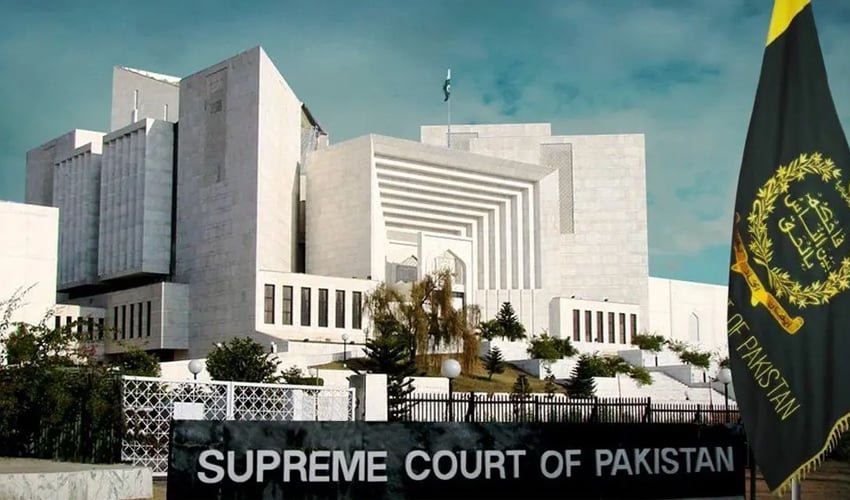

ISLAMABAD: The Judicial Commission of Pakistan (JCP) is scheduled to meet today to discuss the appointment of eight judges to the Supreme Court.
Chaired by Chief Justice of Pakistan Yahya Afridi, the meeting will review candidates from all four high courts, with five senior judges under consideration, sources told Geo News.
According to reports, two judges each from the Sindh and Islamabad High Courts and one judge each from the Peshawar and Balochistan High Courts are likely to be elevated to the Supreme Court.
However, ahead of the session, four Supreme Court judges, including two commission members—Justice Mansoor Ali Shah and Justice Munib Akhtar—have requested its postponement.
In a joint letter, Justices Ayesha A. Malik and Athar Minallah also supported the deferral, urging that the meeting be delayed until a decision is reached on the challenge to the 26th Constitutional Amendment.
Following the amendment, the JCP’s current members include CJP Afridi, Justices Shah, Akhtar, and Amin-ud-Din Khan, along with Attorney General Mansoor Usman Awan, Federal Law Minister Azam Nazir Tarar, Pakistan Bar Council representative Akhtar Hussain, and parliamentarians from both the government and opposition.
Additionally, Senator Ali Zafar, the Pakistan Tehreek-e-Insaf (PTI) representative on the commission, has conditionally supported postponing the meeting.
Meanwhile, six major bar associations have rejected calls for protests and strikes against the JCP session.
In a joint statement, representatives of the Pakistan Bar Council, Supreme Court Bar Association, and bar councils of Punjab, Khyber Pakhtunkhwa, Balochistan, and Sindh denounced opposition to the meeting.
They accused certain political factions within the legal community of attempting to push controversial agendas through protests.
Expressing full support for the JCP’s proceedings, the associations asserted that the commission remains well-balanced and endorsed the 26th Constitutional Amendment as a legitimate part of the Constitution.
They further emphasized that only representative bodies have the authority to call for a strike.
