


A recent investigation highlights how Prime Minister Narendra Modi’s Hindutva-driven agenda has brought South Asia dangerously close to a severe water crisis. The report points out India’s inability to manage the looming threat effectively, describing New Delhi’s actions as risky and largely symbolic.
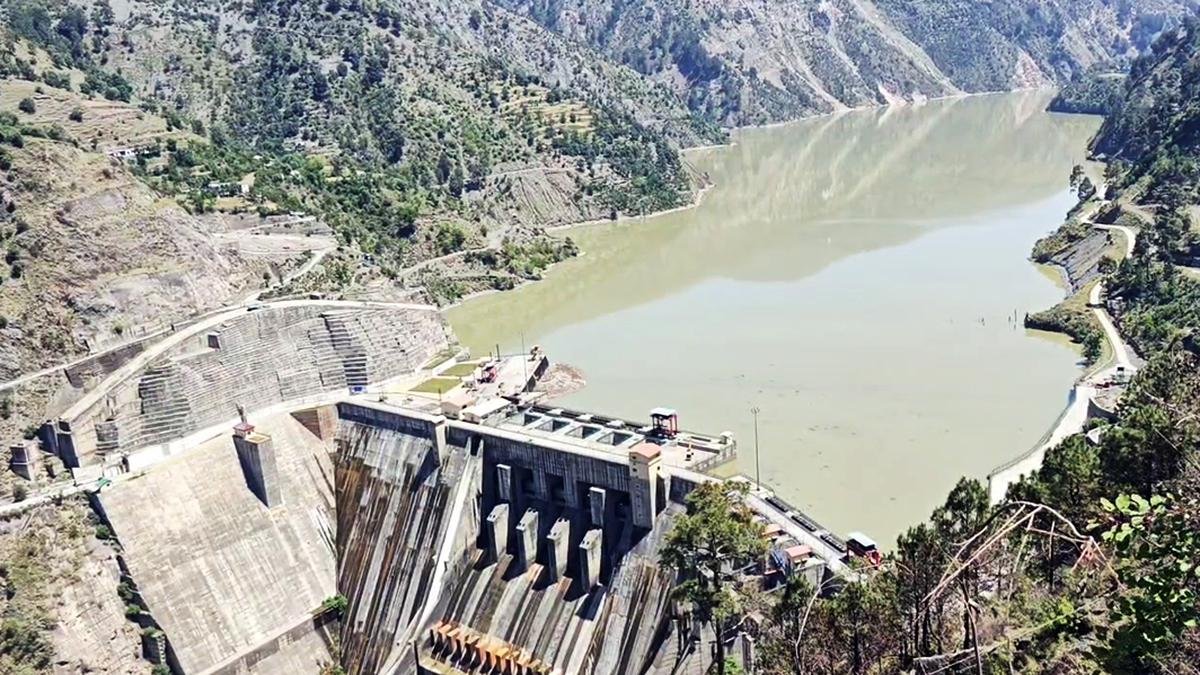
Central to these tensions is India’s declaration to unilaterally suspend the Indus Waters Treaty, a move legal experts argue is not permitted without Pakistan’s consent. Despite its extensive network of dams, India still struggles to store river water efficiently, leaving its own population at risk of flooding.
The investigation also reveals that India’s control over Jammu and Kashmir is part of a broader ambition to dominate rivers flowing into Pakistan, effectively turning water into a political weapon.
Islamabad-based environmental and water policy expert Naseer Memon described the decision as “political cunning,” suggesting the true objective is to sow fear in Pakistan rather than to meaningfully alter water flows.
Dr. Majid Akhter, Senior Lecturer in Geography at King’s College London, observed that the move is largely symbolic and designed to pressure Pakistan politically without causing direct harm.
World Bank President Ajay Banga clarified that the Indus Waters Treaty does not allow for unilateral termination or suspension, stressing that any amendment requires agreement from both India and Pakistan.
New Delhi-based analyst Antima Banerjee echoed this view, adding that India lacks the technical capacity to block river flows completely, and can only temporarily manage water discharge.
Environmental historian Dan Haines from University College London noted that India’s suspension of the treaty immediately followed the Pahalgam attack, showing how water policy is used as a political response.
The report concludes by accusing India of openly violating international law and disregarding the International Court’s ruling related to the treaty.
