


Taiwan’s Gold Apollo clarified that the pagers involved in the explosions in Lebanon on Tuesday were not manufactured by them, but rather by a company called BAC, licensed to use the Gold Apollo brand.
Apollo explained that the AR-924 pager model was produced and sold exclusively by BAC. Initially, Hsu Ching-Kuang, Gold Apollo’s founder and president, suggested that BAC was located in Europe, but later declined to specify its exact location. During Hsu’s meeting with reporters, police officials arrived at the company’s office.
In a statement, Gold Apollo emphasized, “We only provide brand trademark authorization and have no involvement in the design or manufacturing of this product.” Hsu reiterated, “The product was not ours. It only carried our brand.”
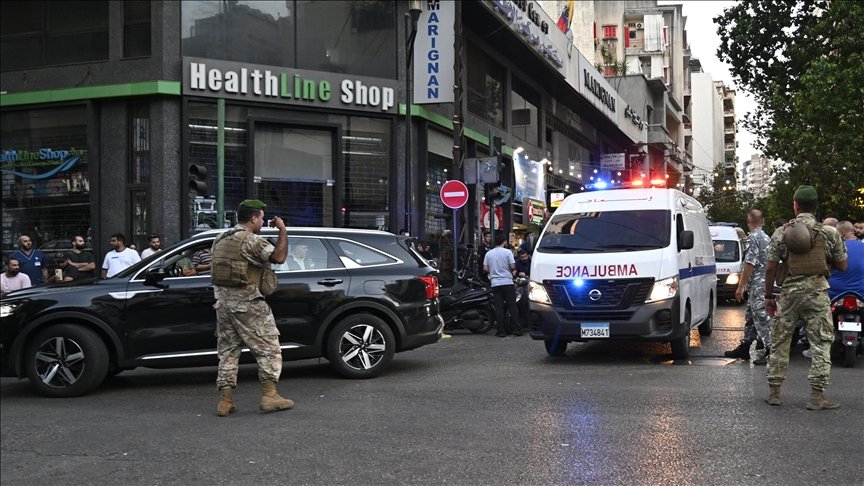
The explosions, which killed at least nine people and injured nearly 3,000, were connected to pagers used by Hezbollah members.
Photos of the damaged devices showed characteristics resembling Gold Apollo products. A senior Lebanese security source indicated that Hezbollah had ordered 5,000 pagers from Gold Apollo.
Hezbollah reportedly adopted pagers to avoid Israeli detection, according to sources familiar with the group’s operations. Hsu expressed uncertainty about how the devices were rigged to detonate.
Hezbollah, which is supported by Iran, announced that it had launched a “security and scientific investigation” into the explosions. Both a senior Lebanese security official and another source suggested that Israel’s Mossad agency had planted explosives inside the 5,000 pagers ordered by Hezbollah months earlier.
The explosions occurred shortly after Israel announced plans to expand the war, which began after Hamas’ attacks on October 7, to include targeting Hezbollah.
In response, Lebanon’s health ministry put hospitals on “maximum alert” and warned citizens to avoid using wireless communication devices.
