


India’s Global Influence Questioned Amid Trade Tensions, Border Disputes, and Shifting Alliances
Indian Prime Minister Narendra Modi is reportedly grappling with mounting diplomatic frustrations as his long-standing efforts to strengthen ties with both the United States and China show little sign of progress, according to a detailed report by The New York Times. The publication says these setbacks have not only exposed the limits of India’s global influence but have also sparked “soul-searching” in New Delhi.
The report, titled “India’s Modi Left Soul-Searching After Failed Courtships of Xi and Trump,” outlines how Modi’s foreign policy ambitions — once hailed as transformative — are now facing increasing scrutiny.
Modi’s initial outreach to China in 2014, which included hosting President Xi Jinping in his hometown with a scenic riverside dinner, was quickly overshadowed by a military standoff at the India-China border. That skirmish, the Times notes, forced India to station thousands of troops along the Himalayas, putting immense strain on the country’s economy and leaving Modi politically exposed.
From Xi to Trump: Strategic Courtships That Faltered
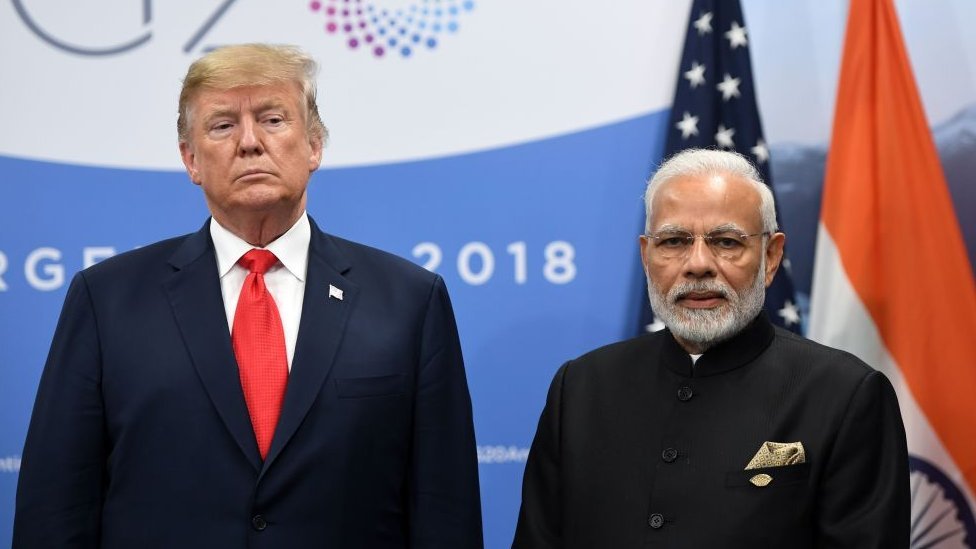
In the following years, Modi pivoted toward the United States, especially under President Donald Trump, with whom he forged a visible camaraderie. Modi even broke diplomatic protocol by appearing at a Houston rally in support of Trump’s re-election campaign.
The relationship appeared to deepen under President Joe Biden, with Modi quipping during a 2023 U.S. Congressional address that “A.I.” stands for “America and India.” But recent trade tensions have threatened that momentum. The U.S. imposed a 50% tariff on Indian goods, criticizing India’s continued oil imports from Russia and calling its economy “dead.” The Times described this as a “very public humiliation” for Modi.
Further complicating matters, Trump’s prior overtures to Pakistan — placing its leadership on “equal footing” in regional conflict resolution — stirred unease in New Delhi.
India Turns to Strategic Autonomy Amid Global Setbacks
As U.S. and China relations grow increasingly unpredictable, Modi has reportedly resumed diplomatic efforts with Russia. In a recent call with President Vladimir Putin, both nations reaffirmed their commitment to the “India-Russia Special and Privileged Strategic Partnership.” Modi’s national security adviser also visited Moscow to finalize Putin’s upcoming trip to India.
Meanwhile, relations with China remain strained, worsened by continued border disputes and Beijing’s support for Pakistan during recent escalations. China, wary of India’s attempt to become a manufacturing alternative, has kept New Delhi at a cautious distance.
The Times notes that many Indian officials are now signaling a return to “strategic autonomy” — a doctrine of non-alignment that avoids deep commitments to any one global power. In essence, India may increasingly rely on pragmatic, fragmented diplomacy, rather than seeking long-term alliances.
“Stuck between two superpowers that have shown no hesitation to put India down,” the Times concluded, “India is realising it must navigate global affairs on its own terms — carefully, and independently.”
