

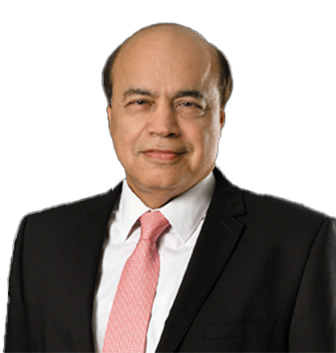

ISLAMABAD: Pakistan’s leading businessman and top taxpayer, Muhammad Tariq Rafi, Chairman of Siddique Sons Limited, has stated that the country lost an estimated $300 billion due to delays in critical decision-making, contributing to today’s external debt crisis of $120 billion.
In an interview after being nominated for the Top Taxpayer Award for the third consecutive time, Rafi emphasized that if major projects like Thar coal, Reko Diq, and the construction of a major dam had been launched in the 1990s and completed by 2000, Pakistan’s foreign exchange reserves could have reached $300 billion.
“The Reko Diq reserves were discovered in the 1990s. Had the project been developed on time, it could have saved the country $5 billion annually and generated $125 billion over the last 25 years,” he explained.
Similarly, he noted that Thar coal could have saved Pakistan $4-5 billion per year, while a major dam could have reduced costs by another $5 billion annually. “Had these projects been completed on schedule, Pakistan could have saved $200 billion over 25 years while also ensuring affordable electricity,” he added.
Rafi highlighted the country’s vast untapped potential in minerals, agriculture, and IT, commending Army Chief General Asim Munir’s vision for economic revival focused on these sectors.
“This is a game-changing idea that no one has proposed before. Developing minerals, IT, and agriculture will transform Pakistan’s economy and bring prosperity,” he stated.
Citing the Middle East’s success in mineral extraction, he stressed that Pakistan must accelerate its resource development and introduce its minerals to the global market.
Regarding the IT sector, Rafi urged immediate investment in artificial intelligence and software exports. “If we can boost IT exports to $20 billion, Pakistan will no longer need foreign loans,” he asserted.
On agriculture, he emphasized the need for improved crop seeds to double per-acre yields and enhance food security.
Rafi also called for the urgent privatization of loss-making government institutions and suggested introducing a mineral incentive package to boost exports.
“Cheap electricity is essential for increasing exports and industrial growth. China’s economic rise is largely driven by the availability of affordable power,” he noted.
Speaking on taxation, Rafi underscored the importance of paying taxes for national development. “A strong tax base enables investment in defense, education, healthcare, and infrastructure. Not paying taxes is a national misfortune,” he said, adding that the Federal Board of Revenue’s (FBR) reforms must produce tangible results to expand tax revenue.
