


Ukrainian Troops
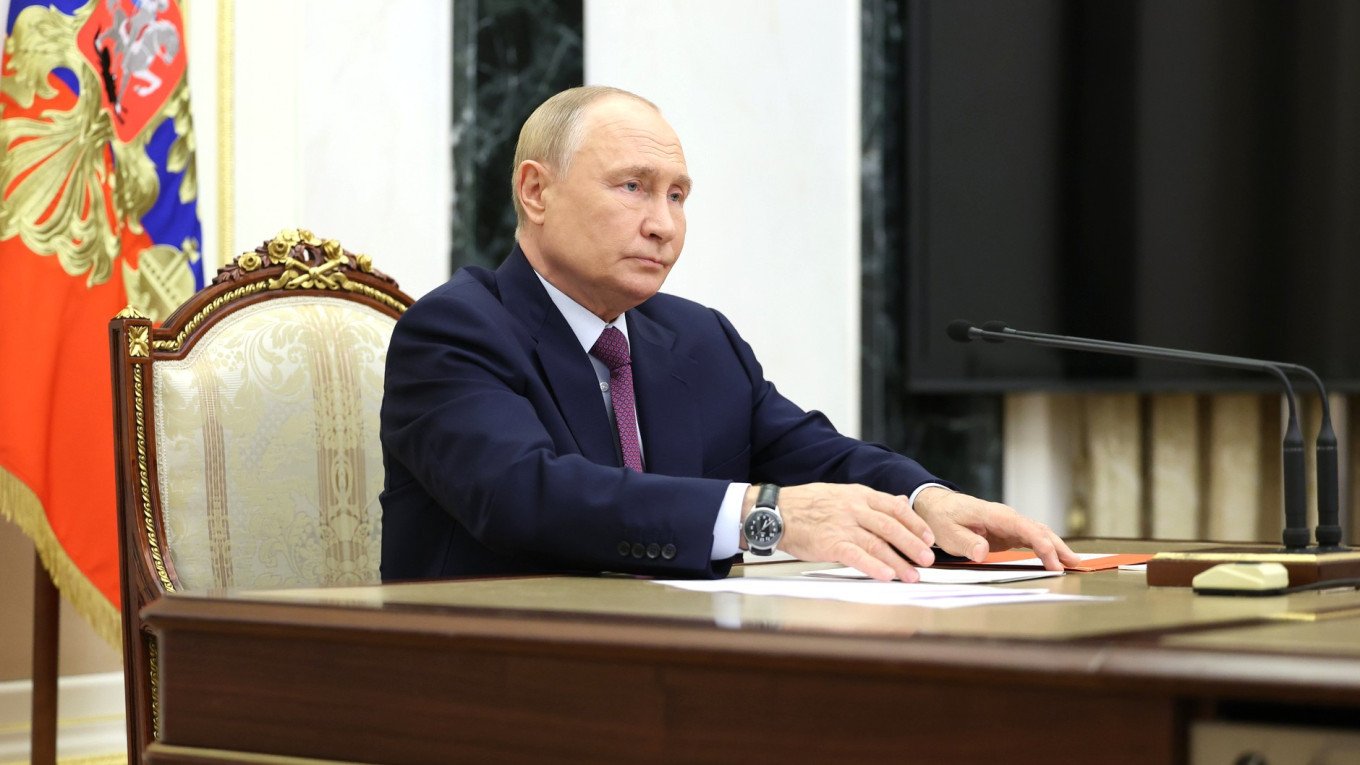
Russian President Vladimir Putin has urged Ukrainian troops stationed in Russia’s Kursk region to surrender, offering them safety and dignified treatment in return. The call for surrender comes amid ongoing tensions between Russia and Ukraine, as efforts to reach a ceasefire face significant challenges.
In a televised address, Putin stated, “If they lay down their arms and surrender, they will be guaranteed life and dignified treatment.” His remarks came shortly after former US President Donald Trump revealed that his envoy had held “productive” talks with Putin regarding a proposed 30-day ceasefire.
Trump expressed deep concern over the situation, describing it as a potential “horrible massacre” if Ukrainian troops did not surrender. “Thousands of Ukrainian troops are completely surrounded by the Russian military and in a very bad and vulnerable position,” Trump said.
He emphasized that he had “strongly requested” Putin to spare the lives of the soldiers, warning that such a massacre would be the worst Europe has seen since World War II.
However, Ukrainian military officials quickly denied Trump’s claim, insisting that their forces were not at risk of being encircled. “There is no threat of our units being encircled,” Ukraine’s General Staff posted on social media.
Meanwhile, Ukrainian President Volodymyr Zelenskyy acknowledged the severity of the situation in the Kursk region but rejected Putin’s call for surrender. He accused the Russian leader of trying to sabotage the ceasefire initiative. “The situation in the Kursk region is obviously very difficult,” Zelenskyy admitted, but maintained that Ukraine’s military campaign still held strategic value.
Putin, on the other hand, expressed skepticism about the ceasefire proposal, saying that the developments in Kursk would play a crucial role in determining Russia’s next steps towards peace. “There are serious questions about the proposal, and the situation in Kursk will influence our decisions moving forward,” Putin remarked.
The conflicting statements from Russia, Ukraine, and the United States reflect the complexity of the conflict and the challenges in achieving a peaceful resolution.
While Trump remains hopeful that his intervention can prevent further bloodshed, tensions on the ground continue to escalate, casting doubt on the possibility of a successful ceasefire.
