

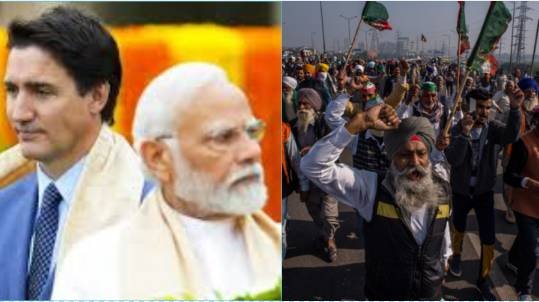

Amid deepening diplomatic tensions between Canada and India, prominent Sikh advocacy groups are calling on Ottawa to exclude Indian Prime Minister Narendra Modi from the upcoming G7 leaders’ summit scheduled to take place in Kananaskis, Alberta next month.
Organizations such as the Toronto-based Sikh Federation and the World Sikh Organization have cited ongoing human rights concerns and India’s lack of cooperation in high-profile criminal investigations—including the 2023 assassination of Sikh activist Hardeep Singh Nijjar in British Columbia—as reasons to deny Modi an invitation.
“Until India meaningfully cooperates with Canadian criminal investigations, especially regarding the murder of Hardeep Singh Nijjar, there is no justification for welcoming Prime Minister Modi,” the Sikh Federation said in a statement this week.
Canada, as host of this year’s G7 summit, has yet to announce whether Modi is among the invited leaders. While the core summit brings together leaders from the seven member countries—Canada, France, Germany, Italy, Japan, the UK, and the US—host nations often extend invitations to additional countries.
So far, Canadian officials have confirmed that South African President Cyril Ramaphosa, Australian Prime Minister Anthony Albanese, and Ukrainian President Volodymyr Zelenskyy are on the guest list. Ramaphosa has not confirmed attendance, while Albanese and Zelenskyy have accepted.
Global Affairs Canada has declined to release the full list of invitees, with spokesperson Camie Lamarche stating that details will be made public “in due time.”
The appeal from Sikh groups comes after a series of diplomatic clashes that began when former Prime Minister Justin Trudeau publicly accused the Indian government of involvement in Nijjar’s killing—a claim New Delhi has strongly denied. The RCMP has also linked Indian nationals to additional violent acts targeting Canada’s Sikh community.
India, in turn, has accused Canada of harboring and tolerating Khalistani separatists—a movement India considers a serious national security threat.
Despite the tensions, diplomatic dialogue between the two countries has continued. Foreign Affairs Minister Anita Anand met with her Indian counterpart on May 25, describing the meeting as “productive,” with a focus on expanding trade and economic ties.
Still, critics argue that Ottawa’s current approach risks placing economic priorities over justice. “Pursuing trade while unresolved political violence looms in the background sends the wrong message,” said one observer from a Sikh civil rights group.
Newly elected Prime Minister Mark Carney has so far emphasized the importance of maintaining open channels with India, calling for “mutual respect” and pragmatism in resolving tensions.
When Canada last hosted the G7 in 2018, it invited leaders from more than a dozen non-member nations, including Norway, Haiti, and Argentina. This year, invitations have reportedly been extended to leaders from Mexico, New Zealand, Poland, Jordan, and various European countries. Mexican President Claudia Sheinbaum has acknowledged the invitation but has not yet confirmed her attendance.
As the summit draws closer, questions remain about whether Canada will prioritize geopolitical engagement or heed growing domestic pressure to send a message on human rights—by denying Modi a seat at the table.
