


Trump’s Tariffs
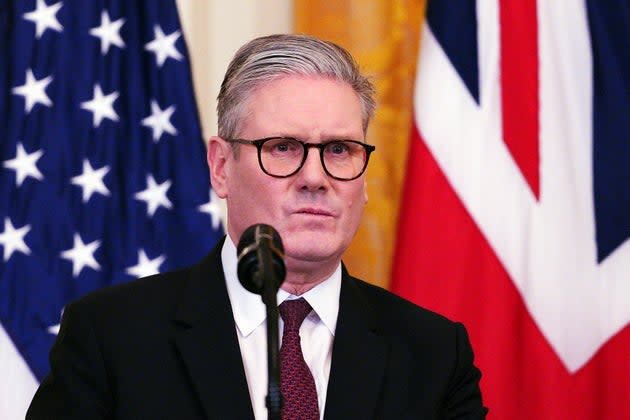
British Prime Minister Keir Starmer has warned that the United States’ sweeping global tariff impositions have created a “new world” order, where “deals and alliances” now govern global relations instead of established rules.
This remark was made in an opinion piece published in The Sunday Telegraph, as countries worldwide braced for the economic fallout from President Donald Trump’s new tariff regime, which led to sharp market declines at the end of the previous week.
Starmer noted that with the introduction of a 10 percent baseline import tax on goods worldwide, which began on Saturday, the global landscape has shifted dramatically.
While the United Kingdom faces a relatively lighter tariff, many other nations face steeper levies in the coming days, with some even expecting tariffs exceeding 10 percent. Starmer wrote, “The world as we knew it has gone. Old assumptions can no longer be taken for granted.”
President Trump, in his usual combative style, declared on his social media platform Truth Social that “This is an economic revolution, and we will win.” He encouraged his supporters to “Hang tough” and promised that the eventual outcome of the trade moves would be “historic.”
However, Starmer disagreed with this optimistic outlook, emphasizing that “Nobody wins from a trade war,” and warned of the profound economic consequences stemming from Trump’s tariff initiatives. He also signaled that the UK would keep “all options on the table” in terms of responding to these tariffs.
The global repercussions were felt immediately as economic analysts and world leaders warned that Trump’s tariff imposition could signal the end of globalization as we have known it.
Darren Jones, the UK’s chief secretary to the Treasury, echoed this sentiment on the BBC, stating that “globalisation as we’ve known it for the last number of decades” had effectively come to an end.
Amid these developments, Starmer also commented on the UK’s potential future trade relationship with the United States, stating that any trade deal must be beneficial for British businesses and workers.
He stressed that the UK would continue to advocate for free and open trade while keeping a firm stance on securing the best terms for the country.
In addition to the UK’s concerns, other nations are also feeling the weight of Trump’s tariff policies. The United States’ 34 percent tariff on Chinese goods, set to take effect next week, has led to Beijing’s reciprocal announcement of its own 34 percent levy on US imports.
Meanwhile, countries like Zimbabwe and Indonesia have opted for varying responses—Zimbabwe suspended its own tariffs on US goods, while Indonesia decided not to retaliate against the new US tariffs, aiming to protect long-term bilateral trade and maintain economic stability.
Experts have drawn parallels between Trump’s tariff moves and the Smoot-Hawley Tariff Act of 1930, which is widely blamed for escalating the Great Depression by triggering a global trade war.
According to the Center for Strategic and International Studies, Trump’s new levies could have similarly far-reaching consequences for global trade relations.
