

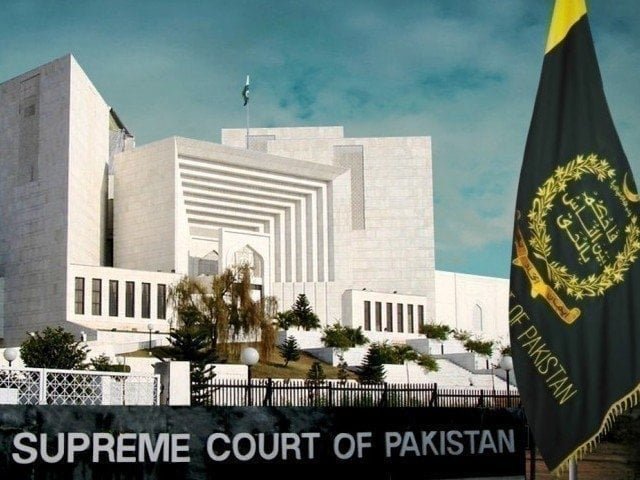

In a significant ruling, the Supreme Court of Pakistan has declared that a daughter’s right to employment under her deceased father’s government service quota remains valid regardless of her marital status.
Justice Syed Mansoor Ali Shah authored the detailed nine-page verdict, asserting that marriage does not strip a woman of her legal identity, autonomy, or entitlement to state-granted rights. He emphasized that women retain full legal and financial independence after marriage.
The court deemed it unlawful and discriminatory to exclude married daughters from availing their late father’s employment quota. Citing the Khyber Pakhtunkhwa Civil Servants Rules, the court stated that all children of a deceased or medically retired government servant are entitled to quota-based employment. It also declared that any administrative directive seeking to override these rules is without legal standing.
The ruling further underscored that denying employment opportunities on the basis of marital status violates constitutional protections enshrined in Articles 14, 25, and 27, which safeguard individual dignity, equality before the law, and protection from discrimination in public service.
The judgment also referenced Pakistan’s international commitments to eliminate discrimination against women, noting that marital status should not be a factor in employment decisions. It urged an end to societal norms and administrative practices that restrict women’s rights after marriage.
Additionally, the court recommended that judicial and administrative bodies adopt gender-sensitive and neutral language, as using patriarchal terminology contradicts the spirit of constitutional justice.
The court annulled the decision that led to the petitioner’s dismissal and ordered the concerned department to reinstate her along with all associated benefits.
