

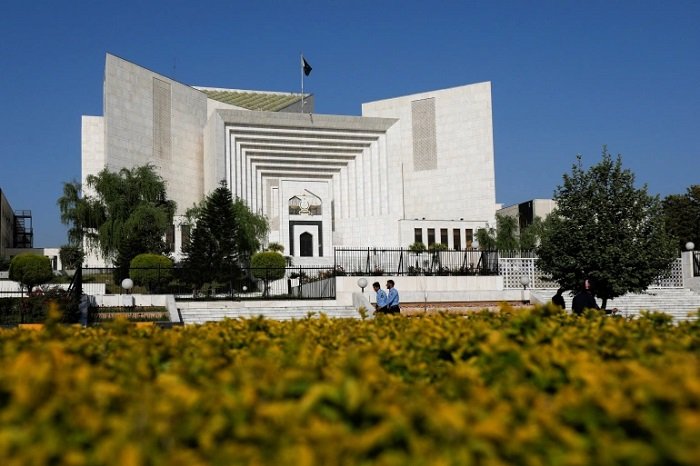

ISLAMABAD: The Supreme Court has observed that in addition to sex-related conduct, any act involving gender-based discrimination, abusive and hostile workplace also falls under the Protection against Harassment of Women at the Workplace (Amendment) Act 2022.
The apex court ruled that some forms of pervasive harassment in the workplace, including denial of equal opportunities as well as criticism of one’s abilities on the basis of gender, also fall in the ambit of harassment.
The Supreme Court stated this today in the hearing of PTV harassment case by a division bench led by Chief Justice of Pakistan Umar Ata Bandial.
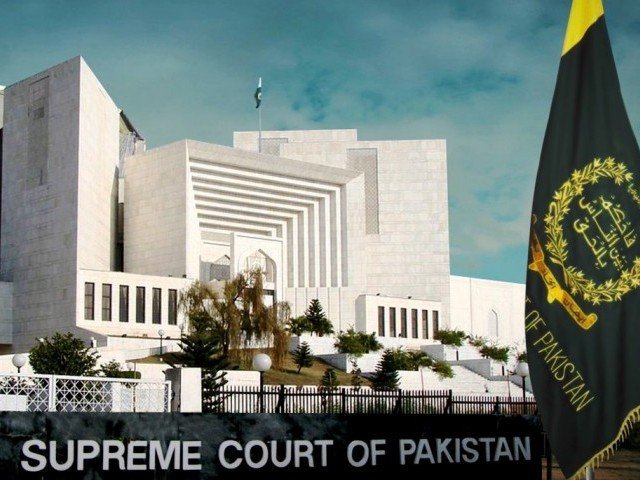
“As evident from its Statement of Objects and Reasons, Preamble and substantive provisions, the objective of the Act is to actualise the right of women to join a profession or occupation of their choice, where they are treated as an equal with dignity and honour, and feel safe that their working environment is free of harassment, abuse and intimidation,” an eight-page judgment authored by Justice Syed Mansoor Ali Shah said while setting aside the Islamabad High Court order in the harassment case.
“The Act gives effect to Article 34 of the Principles of Policy under our Constitution which provides that steps shall be taken to ensure full participation of women in all spheres of national life.

“The Act also promotes the standards set by international commitments of Pakistan under the International Covenant on Civil and Political Rights (ICCPR), the International Covenant on Economic, Social and Cultural Rights (ICESCR), the Convention on the Elimination of All Forms of Discrimination against Women (CEDAW), and the ILO Discrimination (Employment and Occupation) Convention.”
The judgment said that the Amendment Act 2022 has extended the application of the act by adding in the definition of “employee” the informal workers without a contract, freelancers, domestic workers, interns, trainees, apprentices, students, performers, artists, sportspersons, etc, and by extending the definition of “workplace” to anyplace where services are rendered or performed by professionals, including educational institutions, gigs, concerts, studios, performance facilities, courts, highways, sporting facilities, gymnasiums etc.
Justice Mansoor noted that the Amendment Act has substituted the expression “a woman or man” with “any person” in the definition of “complainant”, making applicable the protection of the Act to transgender persons also.
