


A comprehensive survey of Cambodia’s Virachey National Park has unveiled numerous rare and endangered species, underscoring the urgent need for enhanced conservation efforts, environmentalists revealed on Wednesday.
The multi-year research uncovered critically endangered wildlife, including large-antlered muntjacs and pangolins. Conducted by Fauna & Flora in collaboration with local communities, the study emphasized the park’s vital role as a biodiversity sanctuary.
Spanning 405,000 hectares in Cambodia’s northeast, near the borders of Laos and Vietnam, Virachey National Park has proven to be a haven for diverse fauna and flora. Researchers utilized over 150 cameras during the survey, documenting 89 species, including 20 classified as globally threatened. Notable findings included the red-shanked douc langur, clouded leopard, Sunda pangolin, dhole, and sun bear.
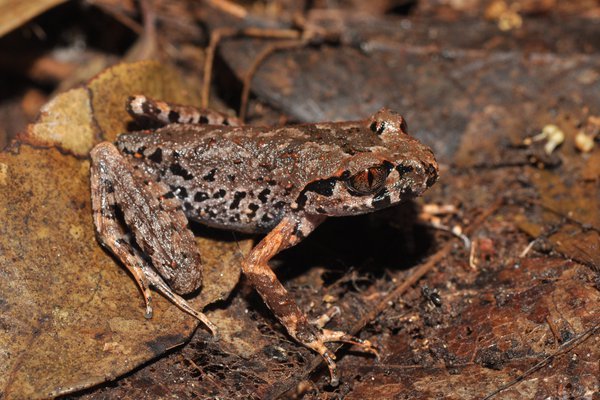
The survey also identified nine species never before recorded in Cambodia, such as Sokolov’s glass lizard, the Vietnamese leaf-toed gecko, and the critically endangered large-antlered muntjac. Pablo Sinovas, Cambodia program director at Fauna & Flora, expressed pride in the findings, describing the park as a “biodiversity hotspot, a vital carbon sink, and home to diverse indigenous communities.”
Despite these discoveries, Sinovas warned of escalating threats to the region, including habitat destruction caused by agricultural expansion, infrastructure projects, and other land uses. He noted that snaring has resulted in “empty forest syndrome” in some areas, where wildlife, particularly medium- and large-sized mammals, has been driven to local extinction.
Environmentalists highlighted similar concerns in other parts of Cambodia, such as the Central Cardamoms region, which is home to over 500 species. Persistent threats like illegal logging, poaching, and sand dredging were cited as significant challenges. Critics also accused the Cambodian government of permitting protected forests to be cleared for commercial activities, including rubber plantations, sugarcane cultivation, and hydropower projects.
