

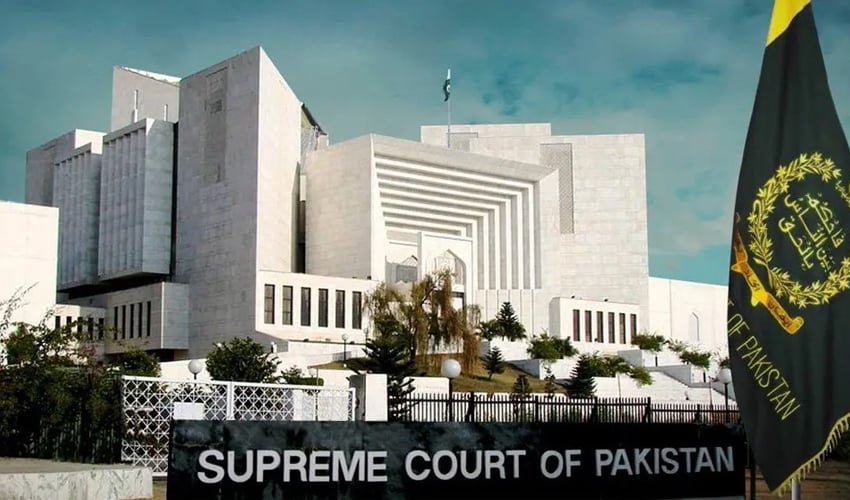

ISLAMABAD: Supreme Court Justice Muhammad Ali Mazhar clarified on Friday that the apex court’s constitutional bench retains the authority to take suo motu notice, despite procedural changes introduced by the 26th Amendment. His remarks came during the hearing of an anti-terrorism case before the constitutional bench.
The case was brought to the court’s attention following an argument by Advocate Munir Paracha, the petitioner’s counsel, who claimed that the 26th Amendment had stripped the Supreme Court of its suo motu powers. He suggested that no further action was required in the matter.
Justice Mazhar rejected this interpretation, emphasizing that while procedural aspects may have been altered, the Supreme Court’s ability to initiate suo motu proceedings remains intact.
“The procedure may have changed, but the Supreme Court still retains the power to take suo motu notice,” Justice Mazhar stated. “The only difference is that such cases are now heard by the constitutional bench.”
Justice Jamal Khan Mandokhel, also part of the bench, added that relevant issues could be revisited in future cases if needed, underlining that the constitutional bench is empowered to handle such matters.
The six-member constitutional bench, led by Justice Amin-ud-Din Khan, also heard several other cases, including one involving the right to appeal for judicial employees. Justice Mandokhel noted that framing rules is the responsibility of the respective high courts and that petitions under Article 199, Clause 5, cannot address such matters. Notices were issued to the concerned parties for further deliberation.
In the LPG price fixation case, the court adjourned proceedings until the second week of December. Justice Mandokhel raised questions about the formation of two commissions in the matter, asking under what authority they had been established. Lawyers attending via video link were instructed to appear in person at the next hearing in Islamabad.
Additionally, the constitutional bench disposed of a case related to appeals under the Banking Ordinance and dismissed the Al-Jihad Trust vs Federation case, declaring it ineffective.
These rulings reaffirmed the Supreme Court’s constitutional authority and clarified its procedural scope post-amendment.
