

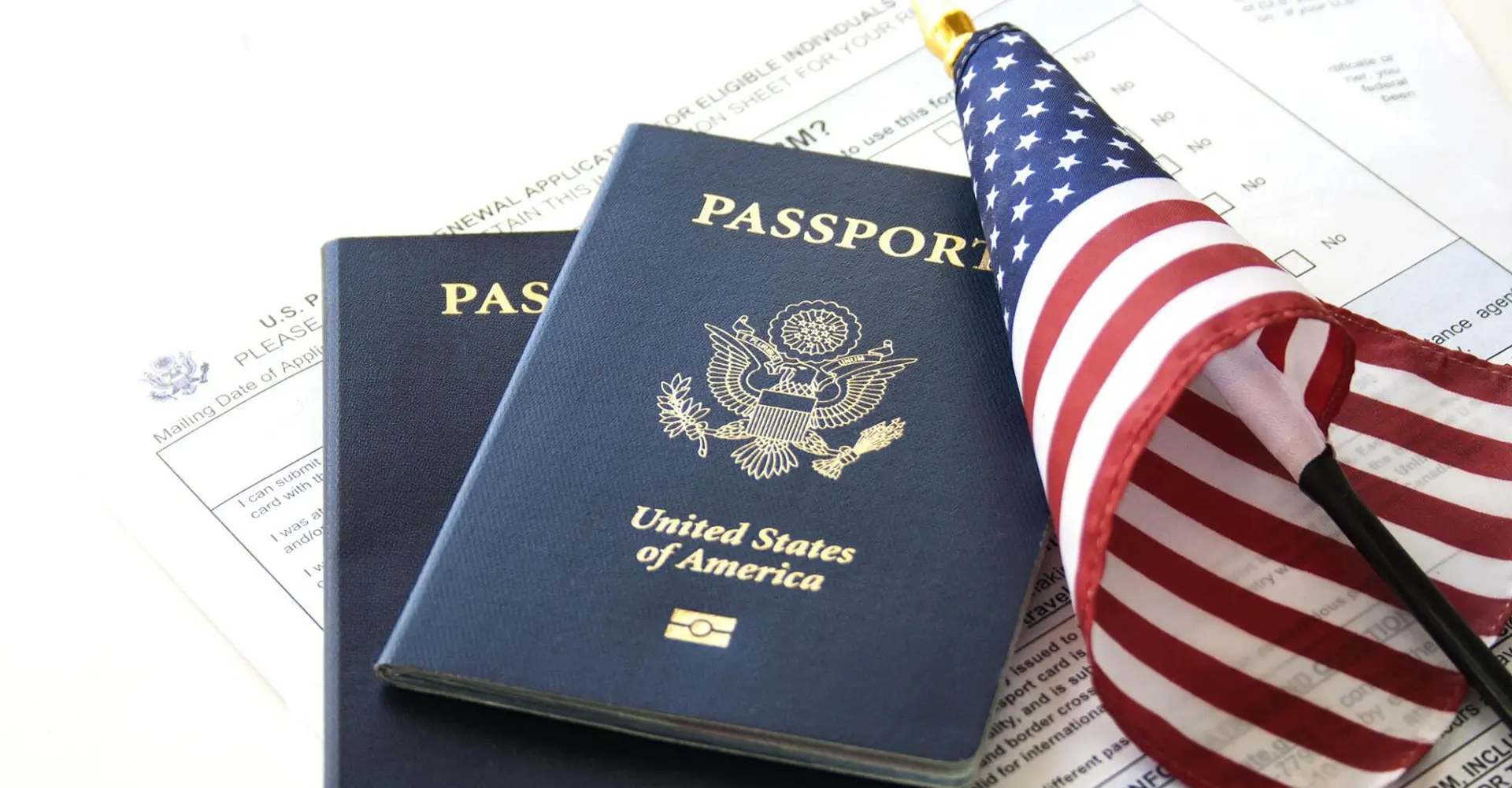

DALLAS: The Trump administration has introduced immediate changes to the U.S. green card application process, eliminating the previous policy that allowed medical examination forms (Form I-693) to remain valid indefinitely — a move officials say is aimed at protecting public health.
The United States Citizenship and Immigration Services (USCIS) announced that, effective June 11, 2025, all new permanent residency (green card) applications must be submitted with a newly completed medical exam form. Under the revised rules, previously submitted I-693 forms will become invalid if the related application is withdrawn or if the applicant files for a different immigration benefit.
USCIS explained that the earlier policy, introduced in April 2024, had allowed applicants to reuse the same Form I-693 even years after submission, particularly in cases where they had withdrawn and later refiled. Officials now believe this flexibility poses potential risks to public health due to outdated or inaccurate medical assessments.
A new version of Form I-693 is also set to be introduced, with mandatory use beginning July 3, 2025.
Applicants Affected and Rising Concerns
The change will directly impact all individuals currently applying for Adjustment of Status — those seeking a green card from within the United States. Thousands of immigrants from South Asian countries such as Pakistan, India, Bangladesh, Nepal, and Sri Lanka are expected to be affected. These include applicants filing through family-based sponsorship, employment pathways, student visa transitions, and asylum claims.
Under the updated guidelines, applicants must now undergo new medical examinations — often at an additional cost ranging between $100 and $500. For many, this means repeating procedures they already completed, significantly increasing financial and procedural burdens.
Immigration attorneys have criticized the abrupt enforcement, stating that such policy updates usually include a transition period. Legal experts warn the policy could create confusion and delays, particularly for applicants who believed their paperwork was already complete.
Legal Complications and Reprocessing Required
According to immigration lawyers, even medical forms that remain unexpired will no longer be accepted if tied to previously withdrawn applications. In other words, if an individual withdraws their case or applies for a different status, they must repeat the entire medical exam process and submit a new Form I-693.
The sudden invalidation of prior submissions has introduced legal complications, especially for individuals who filed their applications in good faith under the old policy.
Political Context and Stricter Enforcement
The policy change comes amid the Trump administration’s broader push to tighten immigration laws and procedures. Several reports have surfaced in recent months of green card holders being detained or denied reentry to the U.S. over alleged actions against U.S. interests, prompting fears of increasing scrutiny even for legal immigrants.
Critics argue the latest medical form policy is another example of how the administration is creating bureaucratic hurdles for immigrants navigating the legal system. They say such changes not only cause delays and additional costs but also penalize individuals who have been following lawful procedures.
While the administration claims the change is a public health safeguard, immigrant advocacy groups contend it is part of a wider strategy to discourage legal immigration by making the process more complex and unpredictable.
With the new version of Form I-693 coming into effect on July 3, applicants and legal experts alike are bracing for further delays in green card processing. USCIS has urged applicants to carefully review requirements and timelines, as failure to comply could result in additional setbacks.
This change is expected to significantly impact South Asian applicants — particularly Pakistanis and Indians — who are navigating the final stages of their permanent residency process, many of whom now face the burden of restarting critical elements of their applications.
