

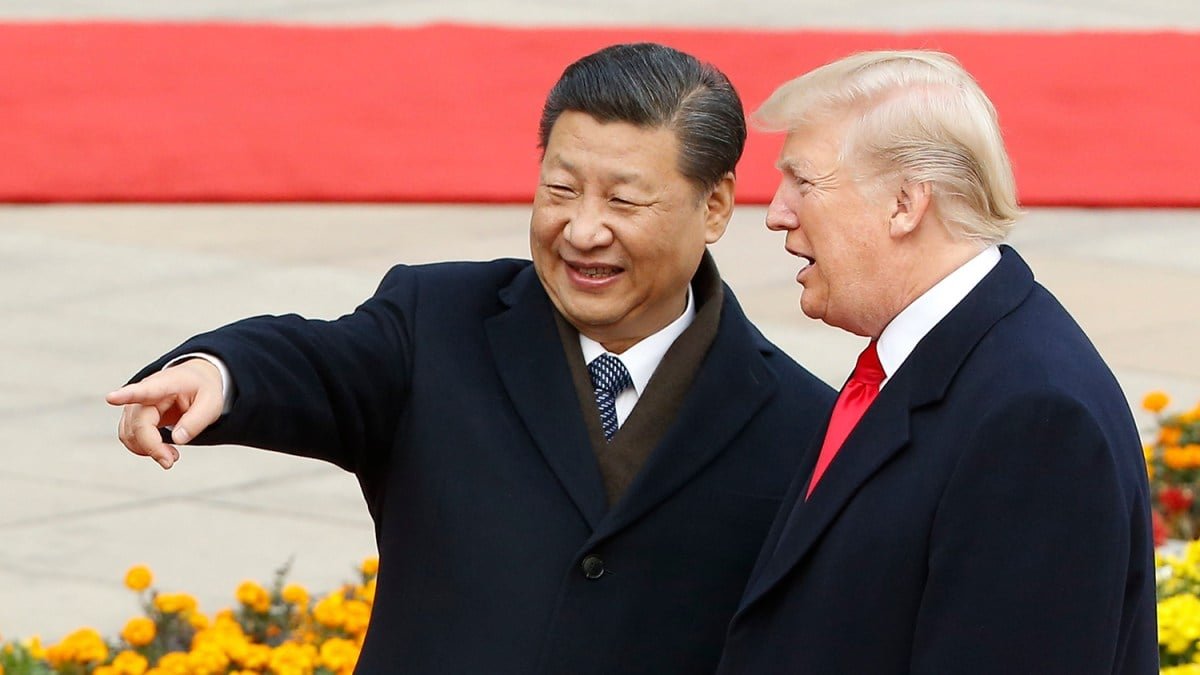

As U.S. President Donald Trump reignites a trade war with China, analysts say he faces a more formidable and prepared Beijing than during his first term.
Since returning to the White House in January, Trump has imposed a 20% tariff on Chinese imports, citing Beijing’s alleged failure to curb fentanyl exports to the U.S. This move adds to the existing tariffs imposed by both Trump and former President Joe Biden, covering over $400 billion worth of Chinese goods.
In response, China has hit back with 10-15% tariffs on key U.S. agricultural products, including corn, beef, pork, dairy, and soybeans. Additional tariffs on crude oil, agricultural machinery, trucks, and energy products signal Beijing’s readiness for a prolonged standoff.
“If war is what the U.S. wants, be it a tariff war, a trade war, or any other type of war, we’re ready to fight till the end,” Chinese Foreign Ministry Spokesperson Lin Jiang declared.
Unlike in 2018, both nations have undergone economic shifts, reducing mutual dependency and blunting the impact of tariffs. While Trump had previously threatened tariffs as high as 60%, analysts believe the latest measures are significant but manageable for China.
With trade tensions escalating, the question remains: Will this renewed economic conflict yield results, or will it deepen the divide between the world’s two largest economies?
