

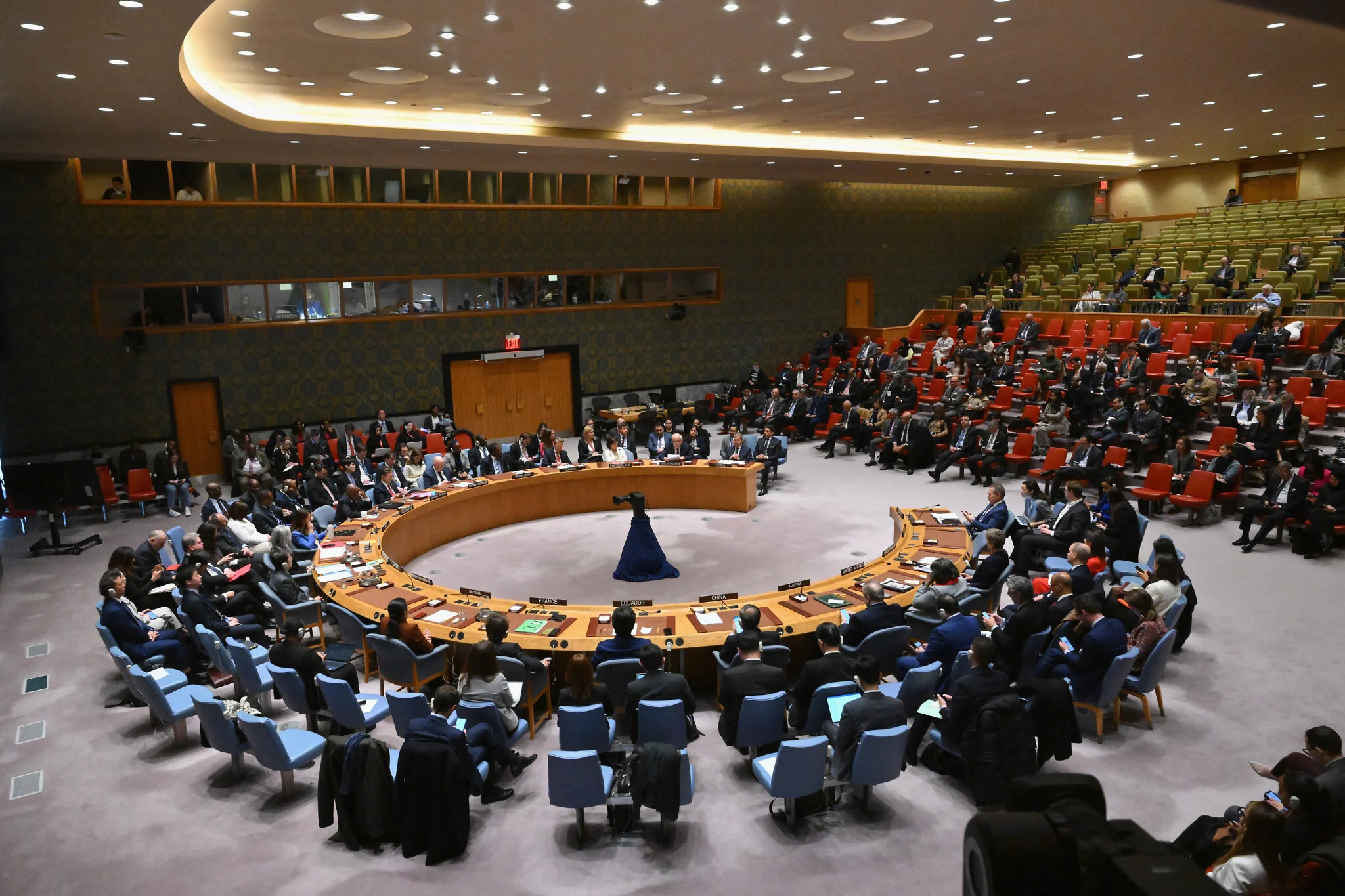

UN Security Council
The United Nations Security Council is scheduled to convene later on Friday to address the rapidly escalating crisis between Israel and Iran, following a series of Israeli airstrikes across Iranian territory. Diplomats confirmed the meeting will take place in response to a formal request from Iran’s Foreign Minister Abbas Araghchi.
In a strongly worded letter to the 15-member Security Council, Araghchi condemned Israel’s actions, stating that they had “crossed every red line.” He called upon the international community to take decisive action and ensure that “these crimes do not go unpunished.” His letter frames Israel’s strikes as a flagrant breach of international law and a direct threat to global peace and stability.
“Iran reaffirms its inherent right to self-defence as enshrined in Article 51 of the UN Charter and will respond decisively and proportionately to these unlawful and cowardly acts,” Araghchi wrote.
Article 51 of the UN Charter grants member states the right to defend themselves individually or collectively in the event of an armed attack, a clause frequently cited in times of military conflict.
The Israeli military operation, launched earlier on Friday, reportedly involved precision strikes on nuclear facilities, ballistic missile production sites, and the residences of high-ranking Iranian military officials.
According to Israeli sources, the operation aims to prevent Tehran from acquiring nuclear weapons capability and may continue in phases.
In his letter, Araghchi accused Israel of committing “outrageous actions” that not only violate Iran’s sovereignty and territorial integrity but also constitute “acts of aggression and war crimes.” He urged the Security Council to uphold its mandate of maintaining international peace and security by condemning Israel’s actions and taking urgent steps to prevent further escalation.
The Security Council meeting is expected to be tense and highly politicized, with world powers sharply divided over how to respond.
As regional tensions spiral and the risk of wider conflict grows, all eyes are now on the United Nations and whether it can play a meaningful role in de-escalating one of the most volatile flashpoints in recent years.
