

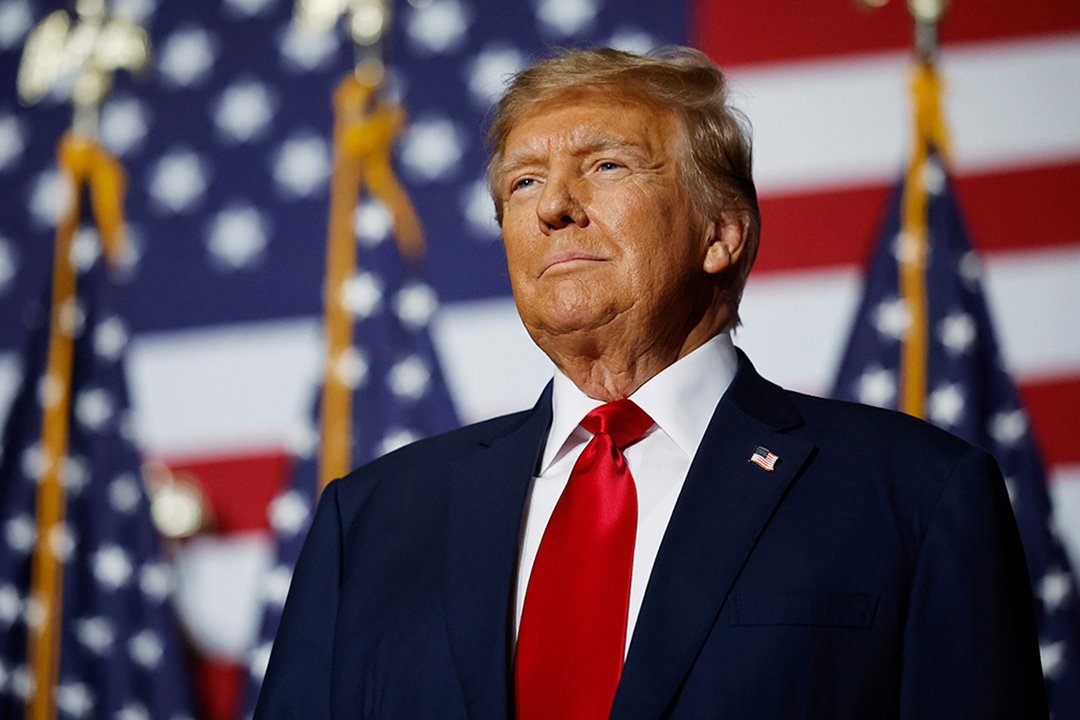

To intensify pressures on Iran, U.S. President Donald J. Trump signed a National Security Presidential Memorandum (NSPM) on Tuesday, claiming it is intended to “restore maximum pressure” on the country.
The timing of this move is telling, aligning with the visit of Israeli Prime Minister Benjamin Netanyahu, a convicted war criminal, to Washington D.C. on Wednesday.
The memorandum’s aggressive tone is laden with baseless accusations, aiming to undermine Iran’s sovereignty under the pretense of addressing its nuclear ambitions and regional influence.
The NSPM asserts that Iran must be stopped from acquiring nuclear weapons and intercontinental ballistic missiles, conveniently overlooking Iran’s consistent focus on peaceful nuclear energy and civilian satellite development.
Additionally, it attempts to weaken the Iranian-allied Resistance Axis, offering a skewed perspective while ignoring the destructive actions and atrocities committed by the U.S., Israel, and their allies—who are, in reality, the root causes of resistance.
By directing the Secretary of the Treasury to impose maximum economic pressure, the NSPM reveals its true purpose: to wage an economic war against the Iranian people and private sector.
The memorandum also demands sanctions and enforcement measures against those accused of violating existing sanctions, extending its reach to sectors like shipping, insurance, and ports.
This economic suffocation strategy is a blatant attempt to weaken Iran’s economy and disrupt its resilience.
The NSPM specifically targets Iran’s vital oil exports with the goal of “driving Iran’s export of oil to zero,” a policy that threatens the livelihoods of countless Iranians dependent on the oil industry.
It also calls for the revision or cancellation of sanctions waivers, particularly those offering economic or financial relief, such as those tied to Iran’s Chabahar port project, potentially straining U.S.-India relations due to India’s substantial investment in the project.
The NSPM’s strategy to strangle Iran’s economy is further emphasized through efforts to isolate the country globally, particularly impacting its ties with neighboring nations like Iraq and the Persian Gulf countries.
The memorandum dismisses Iran’s civilian nuclear program, labeling it an “existential threat to the United States and the civilized world,” while ignoring Iran’s compliance with international agreements and cooperation with the International Atomic Energy Agency (IAEA).
Moreover, it overlooks Iran’s status as a founding member of the 1968 Non-Proliferation Treaty (NPT) and its leader, Ayatollah Seyyed Ali Khamenei’s religious decree against weapons of mass destruction. Iran’s participation in the Joint Comprehensive Plan of Action (JCPOA) in 2015, with its stringent inspection protocols, underscores Iran’s commitment to peace—a commitment it has maintained even after Trump withdrew from the agreement in 2018.
