

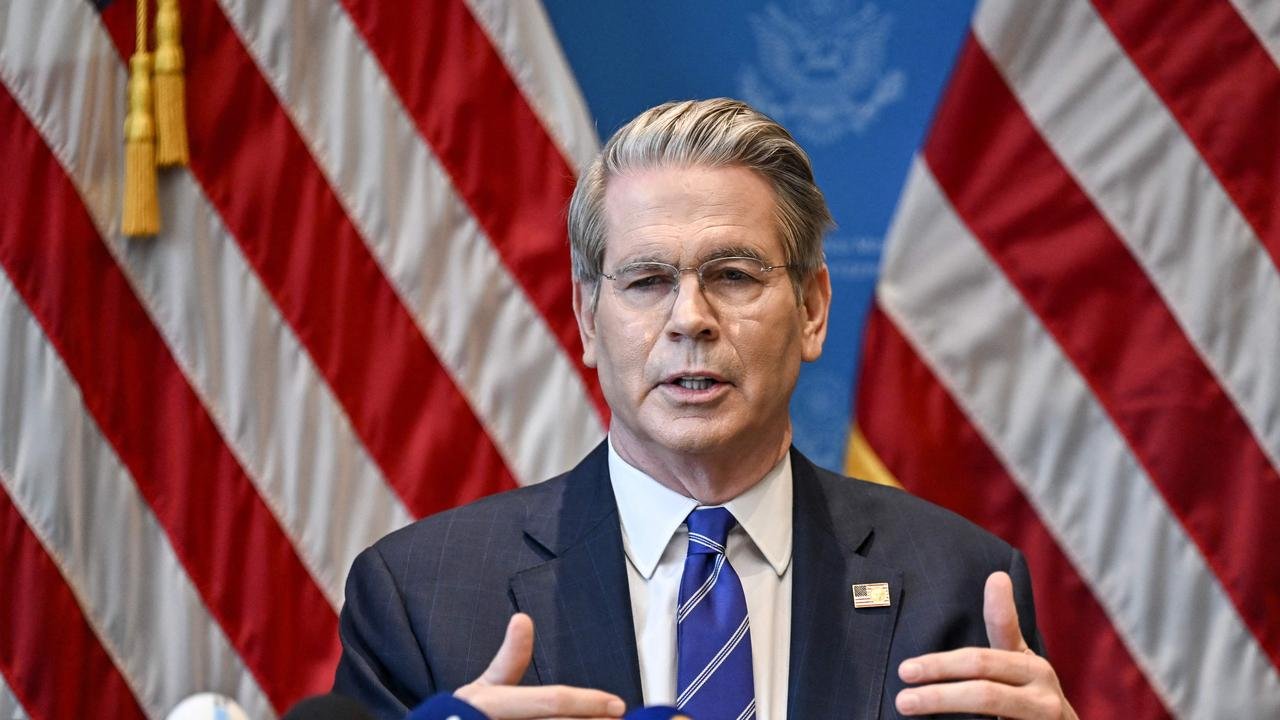

In a significant shift in U.S. foreign policy, the United States on Friday formally lifted comprehensive economic sanctions on Syria, signaling the start of a new chapter following the fall of Bashar al-Assad’s regime. The move opens the door to foreign investment and broader economic engagement in the war-ravaged country.
Treasury Secretary Scott Bessent stated that Syria must continue progressing towards lasting peace and stability. “Today’s actions are meant to support Syria’s transition toward a peaceful and prosperous future,” he said.
The announcement follows President Donald Trump’s declaration during a recent Middle East tour, where he described the Assad-era sanctions as “brutal and crippling.” Trump said the decision came in response to requests from key regional allies, including Turkey and Saudi Arabia.
According to the U.S. Treasury Department, the sanctions relief now extends to Syria’s new government under the condition that it does not harbor terrorist groups and guarantees the protection of religious and ethnic minorities.
In tandem, the State Department issued a waiver permitting international partners and allies to participate in Syria’s reconstruction efforts. This waiver provides legal clearance for companies to engage in business dealings in the country.
The newly granted authorizations include the right to make new investments, provide financial services, and conduct transactions involving Syrian petroleum products. They also permit certain interactions with the newly established Syrian government and some entities that were previously blacklisted under the sanctions regime.
The U.S. had long enforced sweeping financial restrictions on Syria throughout its 14-year civil war, warning that any support for reconstruction would be penalized as long as Assad remained in power.
Since Assad’s ouster by an Islamist-led coalition last year, Syria’s transitional leadership has sought to reestablish ties with the West and dismantle the economic barriers that hindered recovery.
