

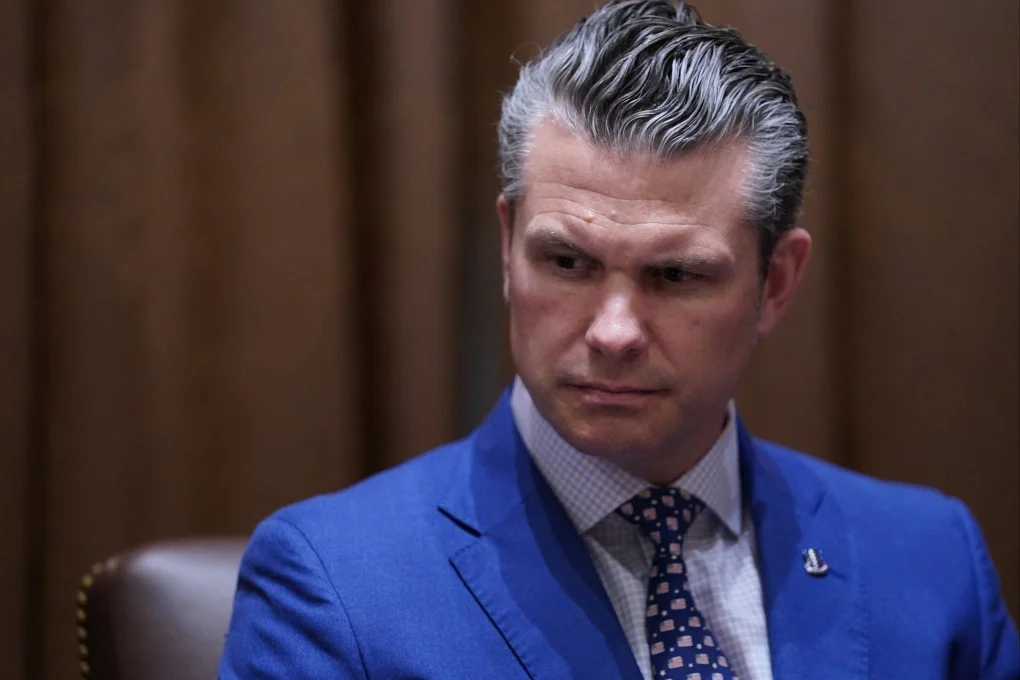

The United States is prepared to use military force to stop Iran from acquiring a nuclear weapon, Defense Secretary Pete Hegseth said Sunday, as indirect diplomatic talks between Washington and Tehran continue in Oman.
Appearing on CBS’s Face the Nation, Hegseth emphasized that while the Biden administration remains committed to finding a peaceful, diplomatic resolution, the Pentagon is fully prepared to respond with force if necessary.
“We hope for a diplomatic solution, but the United States is ready to go deep and go big if required,” Hegseth said. He described the early discussions with Iranian officials in Oman as “productive” and a “positive first step,” but made clear that military options remain firmly on the table should those efforts fail.
President Donald Trump reinforced that message earlier this week, stating that military action is “absolutely” on the table if diplomacy breaks down. He also emphasized the importance of coordination with Israel, calling the US-Israel alliance critical in addressing Iran’s nuclear threat.
“Israel will obviously be very much involved—be the leader of that,” Trump said, signaling that Washington and Tel Aviv would work in close partnership in the event of a military campaign.
This renewed military posturing comes amid heightened international concern over Iran’s nuclear progress. Since the US withdrew from the Joint Comprehensive Plan of Action (JCPOA) in 2018, efforts to revive the deal have largely stalled. Iran, which continues to deny any intention to build nuclear weapons, is now believed by some analysts to be only weeks away from developing one.
Earlier this year, Trump issued a blunt warning: “If they don’t make a deal, there will be bombing,” highlighting the administration’s willingness to use force if Iran doesn’t curb its nuclear activities.
While officials in Washington continue to push for diplomatic engagement, the looming threat of military intervention underscores the seriousness of the situation. The next round of negotiations is expected in the coming weeks, with global attention fixed on whether diplomacy will prevail—or whether the standoff will tip into direct confrontation.
