

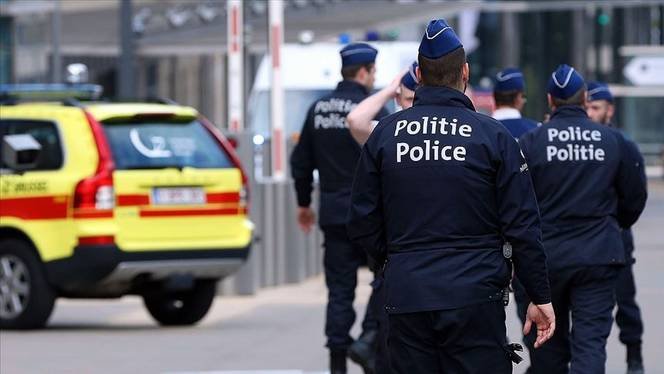

In recent weeks, several PKK terrorists have been arrested and detained in a series of operations across Europe, signaling an intensification of Türkiye’s efforts to rally foreign allies against the group, experts say.
In November, the UK charged seven individuals for their affiliations with the PKK, a group designated as a terrorist organization by Türkiye, the US, the UK, and the European Union. Shortly after, Italian authorities announced the arrest of a PKK member linked to the deadly October attack on the aerospace company TUSAS in Ankara.
The outlawed PKK, which has waged a violent campaign against the Turkish state for over 30 years, is responsible for the deaths of more than 40,000 people, including women and children. The recent arrests reflect a growing trend of heightened scrutiny of PKK activities across Europe.
Türkiye’s cross-border operations and diplomatic efforts have enhanced its national security and solidified its standing within NATO. “Türkiye’s ability to coordinate intelligence sharing, ensure the capture or extradition of criminals, and engage in diplomatic negotiations showcases its strong presence in counter-terrorism efforts,” says Merve Seren Yesiltas, a political science and security expert at Ankara Yildirim Beyazit University.
The intensifying collaboration between Europe and Türkiye against the PKK highlights a united front in counter-terrorism, reflecting a shared commitment to safeguarding regional and global security. By dismantling PKK networks abroad, European nations address threats not only to Türkiye but also to their national security, targeting a web of criminal operations that undermine stability.
These joint efforts underline Türkiye’s pivotal role as a bridge between Europe and the Middle East. As the region undergoes seismic changes following the ouster of Bashar al-Assad’s regime in Syria, Türkiye’s leadership in combating terrorism reinforces its significance in shaping the post-conflict landscape.
