

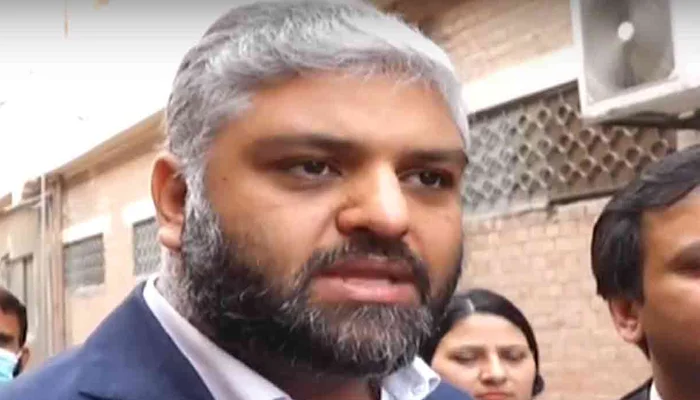

Zain Qureshi
Pakistan Tehreek-e-Insaf (PTI) leader Zain Qureshi recently emphasized that he did not support the 26th constitutional amendment, a position he made clear in a video statement released after the parliamentary approval of the constitutional package.
Qureshi expressed his frustration with the misinformation circulating about his voting record, stating, “Propaganda is being done against me over the matter.”
He reassured both the leadership of the PTI and the constituents he represents that he could not fathom voting in favor of the constitutional package.
In parallel developments, the Opposition Leader in the National Assembly, Omar Ayub, criticized the constitutional amendment, claiming it aims to undermine the judiciary.
Speaking during the National Assembly session in the early hours of Monday, Ayub pointed out the ongoing issues related to the judicial system, referring to the unresolved case of Intezar Panjotha, who has been missing for a prolonged period, as well as the repeated abductions of Riaz Fatyana’s son.
He questioned the motives behind the timing of the constitutional amendment, asking, “Why could the constitutional amendment not be passed on October 31? Would the country have been paralyzed if the amendment had been approved later?”
Ayub further argued that the draft of the constitutional amendment should have been forwarded to the standing committee on law and justice for thorough examination.
He expressed disappointment that the intended objectives of the special committee had not been realized, emphasizing the importance of a comprehensive review before any constitutional changes are made.
The comments made by both Qureshi and Ayub highlight a growing concern within the political landscape regarding the implications of the constitutional amendment.
As debates continue, the PTI leadership faces pressure to clarify their stance on key issues while navigating the challenges posed by opposition voices in parliament.
The dialogue surrounding the constitutional amendment reflects broader tensions within Pakistan’s political framework, as leaders grapple with issues of judicial independence and governance.
